The Casual Elegance of the Hair Color Script Typeface
In a digital landscape saturated with rigid sans serifs and predictable serifs, finding a typeface that feels genuinely human can be a game-changer. Hair Color is exactly that kind of asset. It is a casual, neat handwritten script font that bridges the gap between professional polish and approachable charm. For designers, entrepreneurs, and content creators, this font isn't just a collection of letters; it’s a tool for adding personality to your projects without sacrificing legibility. If you are looking to infuse your work with a natural, organic vibe, understanding how to utilize Hair Color effectively is your first step toward creating more engaging visual narratives.
Visual Characteristics and Personality
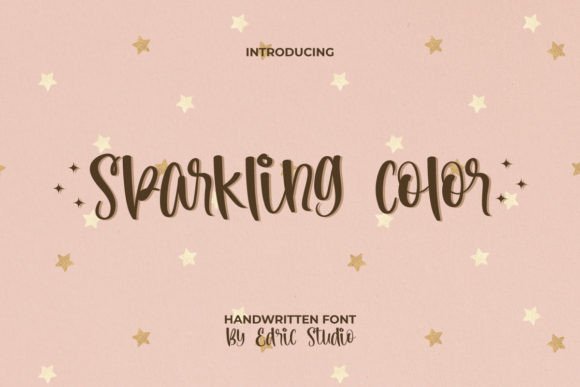
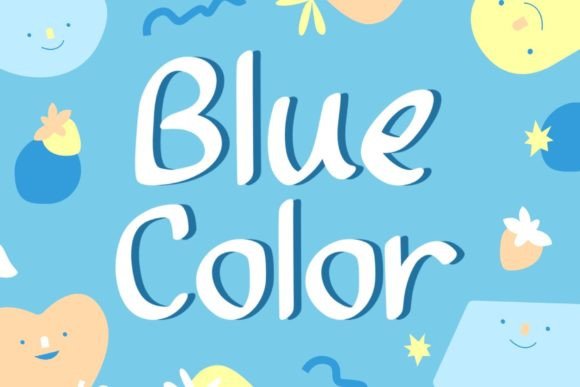
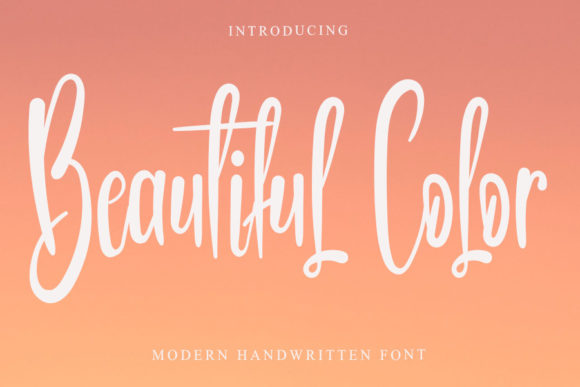
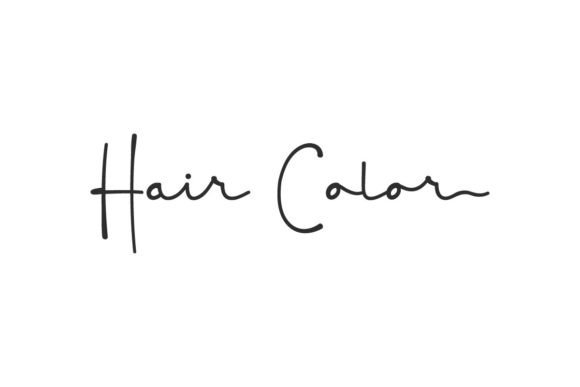
At its core, Hair Color is defined by its fluidity. Unlike heavy, grunge-style grunge script fonts or overly formal calligraphy, this typeface mimics the natural movement of a steady hand writing quickly. The letterforms maintain a consistent baseline, ensuring that the text remains neat and readable, while the slight variations in stroke width give it an authentic, hand-lettered appearance.
The personality of Hair Color is distinctively warm and inviting. It avoids the stiffness of corporate branding, opting instead for a relaxed, conversational tone. The connections between letters are smooth, creating a rhythmic flow that guides the eye across the page. This makes it an ideal creative font for projects where you want to speak with your audience rather than at them. It possesses a modern typography sensibility—clean enough to be contemporary, yet textured enough to feel timeless.
Strategic Applications: Where Hair Color Shines
The versatility of a premium font like Hair Color allows it to adapt to various mediums. However, its strengths lie specifically in areas where emotional connection and brand personality are paramount. Here is where this script font works best:
- Logo Design and Brand Identity: For lifestyle brands, boutique shops, cafes, or personal blogs, a handwritten font can serve as the cornerstone of a visual identity. Hair Color offers the elegance needed for a logo design while maintaining the casualness required for a friendly brand voice.
- Packaging Design: Physical products benefit immensely from this typeface. Whether it’s a candle label, a skincare bottle, or artisanal food packaging, Hair Color adds a tactile, human element that suggests care and craftsmanship.
- Social Media Graphics: In the fast-scrolling world of Instagram and Pinterest, static text often gets ignored. Using Hair Color for quotes, announcements, or headers can break the visual monotony, acting as a display font that captures attention instantly.
- Editorial Design: While not suited for long body text, it shines in magazine headers, pull quotes, and chapter titles. It adds a layer of sophistication to editorial design that standard fonts often lack.
Influence on Brand Perception and Engagement
Typography is silent communication. The font you choose dictates how your audience feels about your content before they even read the words. When you implement Hair Color, you are signaling accessibility and creativity.
In brand identity, consistency is king. Using a specific typeface like Hair Color across your digital and print materials helps build recognition. When a customer sees that familiar, neat handwriting on a website, a flyer, or a product box, they subconsciously connect it to your brand’s personality. This fosters trust. Unlike generic system fonts, a distinct commercial font shows that you have invested in your aesthetic, which elevates your perceived professionalism.
Furthermore, this font influences visual hierarchy. In web design, for example, pairing a heavy sans serif font for body text with Hair Color for headlines creates an immediate contrast. This draws the user's eye to the most important information, improving engagement and keeping readers on the page longer.
Practical Guide: Pairing and Implementation
Adopting a new typeface requires more than just installation; it requires strategy. Here is how to get the most out of Hair Color:
Mastering the Font Pairing
A script font should rarely stand alone for all text. The most effective designs use font pairing to balance readability with style. Because Hair Color is casual and neat, it pairs exceptionally well with clean, geometric sans serifs. Think of fonts like Montserrat, Lato, or Open Sans. The simplicity of the sans serif grounds the fluidity of the script, creating a balanced composition. Alternatively, pairing it with a light serif font can create a sophisticated, editorial look suitable for wedding invitations or high-end branding.
Readability Considerations
While Hair Color is legible for a script, it is still a display font. Use it for short bursts of text—headlines, sub-headers, and call-to-action buttons. Avoid using it for paragraphs of body copy, as the eye tires quickly when reading connected letterforms over long distances. If you are using it for web design, ensure the font size is large enough (usually 24px or higher) to let the details of the lettering shine without becoming blurry.
Evaluating Project Fit
Before committing, ask yourself: Does this project require a human touch? If you are designing for a law firm or a cybersecurity company, Hair Color might feel out of place. However, for a bakery, a yoga studio, a travel blog, or a wedding planner, it is the perfect fit. Always consider the font pairing context; a font looks different when surrounded by other elements.
Technical and Licensing Details
As a premium font, Hair Color likely comes with various styles—perhaps regular, bold, or italic variations. Check the character map for special ligatures and alternates. Many high-quality handwritten fonts include stylistic alternates that change the look of specific letters to prevent repetition, making the text look even more natural.
Finally, respect the licensing. If you are using this for client work or selling merchandise with the font on it, ensure you have the appropriate commercial font license. This protects you legally and supports the type designers who create these design assets.
Final Thoughts
Hair Color is more than just a handwritten font; it is a versatile design asset that can soften the edges of a brand and invite engagement. By understanding its personality and applying it with strategic intent, you can transform ordinary designs into memorable experiences. Whether you are a seasoned designer or a small business owner managing your own marketing, this typeface offers a practical way to stand out in a crowded market.